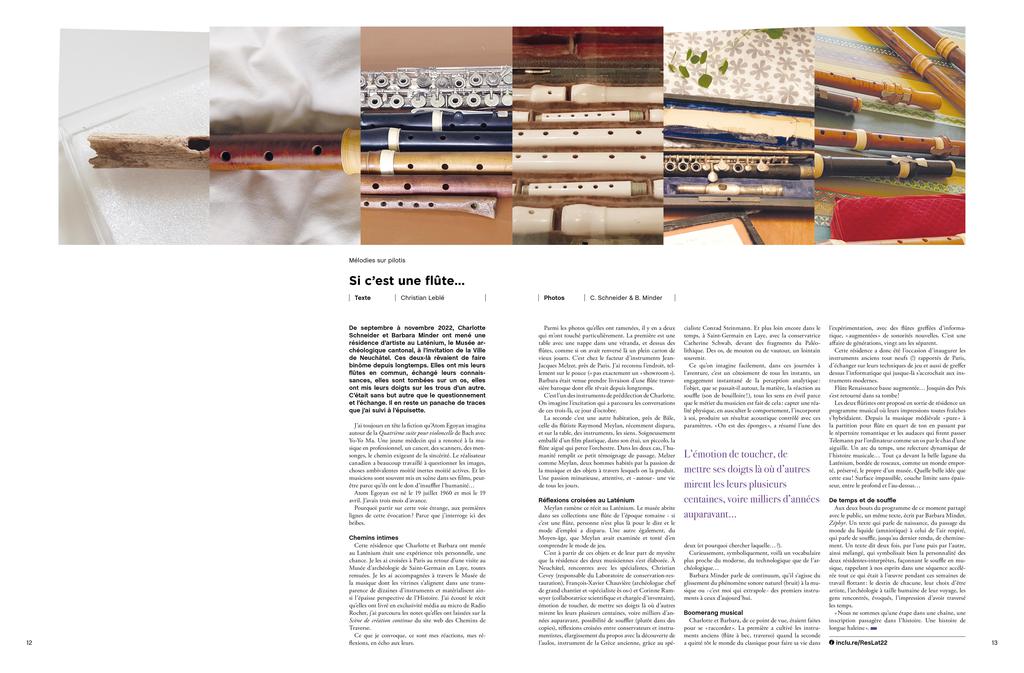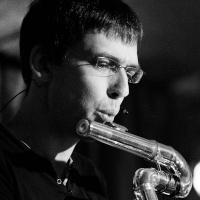



Matthieu Amiguet
Co-fondateur des Chemins de Traverse, il en assure la direction artistique en compagnie de Barbara Minder ainsi que la direction de recherche.
Musicien-chercheur éclectique, Matthieu Amiguet a enrichi au fil des années et des rencontres son bagage classique de couleurs jazz, rock et ethno pour développer un langage familier et personnel à la fois. Son intérêt pour la lutherie et l'évolution des instruments l'a amené à explorer non seulement des flûtes traversières inhabituelles (flûtes basse, contrebasse, à coulisse, ...) mais également d'autres instruments comme l'étonnant mélange de piano et de guitare nommé harpejji, dont il est un des pionniers et influenceurs au niveau mondial.
Sa démarche musicale est évidemment teintée par sa rigueur scientifique: diplôme de mathématiques et doctorat ès science en IA (en 2003, bien avant que le sujet ne soit à la mode!). Sa double formation musicale et scientifique lui permet de mener depuis 2010 une recherche de pointe dans le domaine de la lutherie augmentée - enrichissement des possibilités sonores d'un instrument acoustique par des traitements informatiques en temps réel. Fervent défenseur du logiciel libre, il développe lui-même les applications qu'il utilise sur scène. Il a été invité à présenter ses recherches dans diverses conférences en Suisse et en Europe; elles sont à l'origine de nombreux contacts et collaborations avec des institutions musicales et académiques en Europe et en Amérique du Nord.
Le profil musical atypique et métissé de Matthieu Amiguet l'a amené à se produire aussi bien à la Basilique de Montréal (Québec) qu'à l'Auditorium Stravinski de Montreux (Suisse), dans des festivals de musiques actuelles, des musées, des caves à jazz ou sur des alpages. Il a également participé à la conception et à la réalisation d'installations pour des festivals comme le Belluard à Fribourg (Suisse) en 2017, No'Photo à l'Alhambra de Genève (Suisse) en 2019 ou la Biennale de Nové Zámky (Slovaquie) en 2021.
Prochaines dates
Projets

%20-%20Prague%20(CZ)%202025_79055e19a205446aa2323d2d2de26889.jpg?h=100&m=crop&v=aWDRXw&w=100&s=b'w6ruFugLpCL1oaNDch6vzzkzI_o')


Chemin de création
Harpejji solo 5 - New harpejji case
(This news is part of the Harpejji solo project)
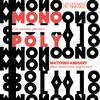
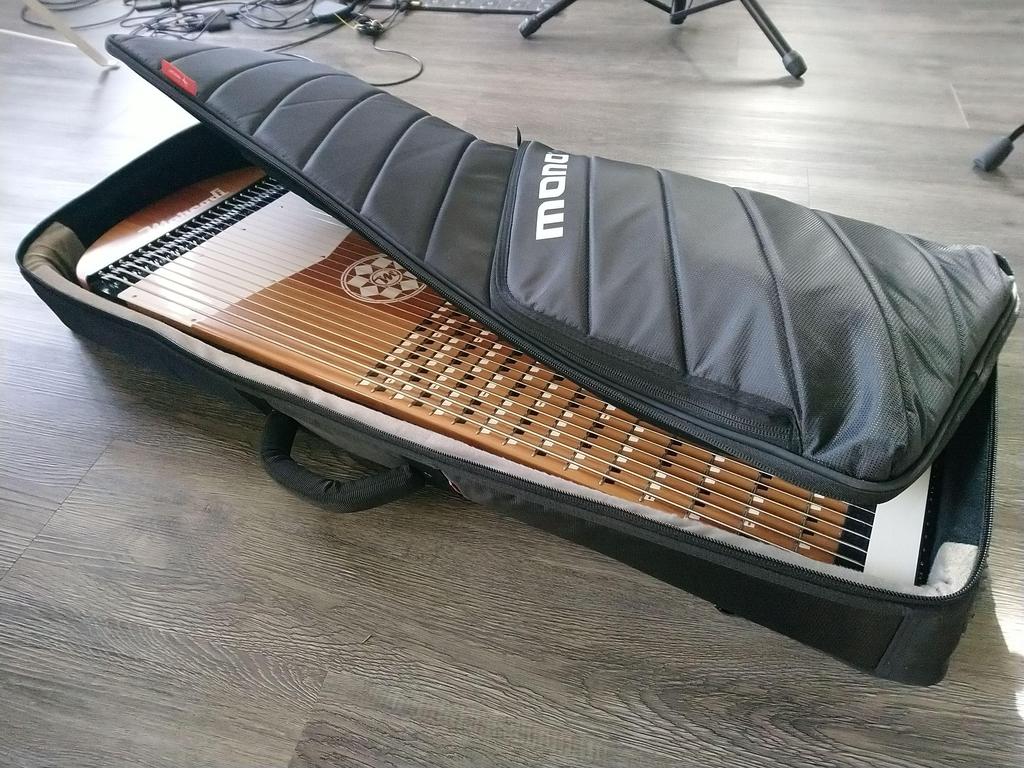
When I bought my harpejji back in 2013, the only available case was a very sturdy, but also very heavy, flight case. That doesn't encourage carrying the instrument around. So I decided to purchase a soft case with backpack strap so that it gets easier to take it with me for a rehearsal or a gig. As it happens, the Mono Vertigo Keyboard 61 Case fits the instrument perfectly!
Le Dragon Ivre vu par les enfants
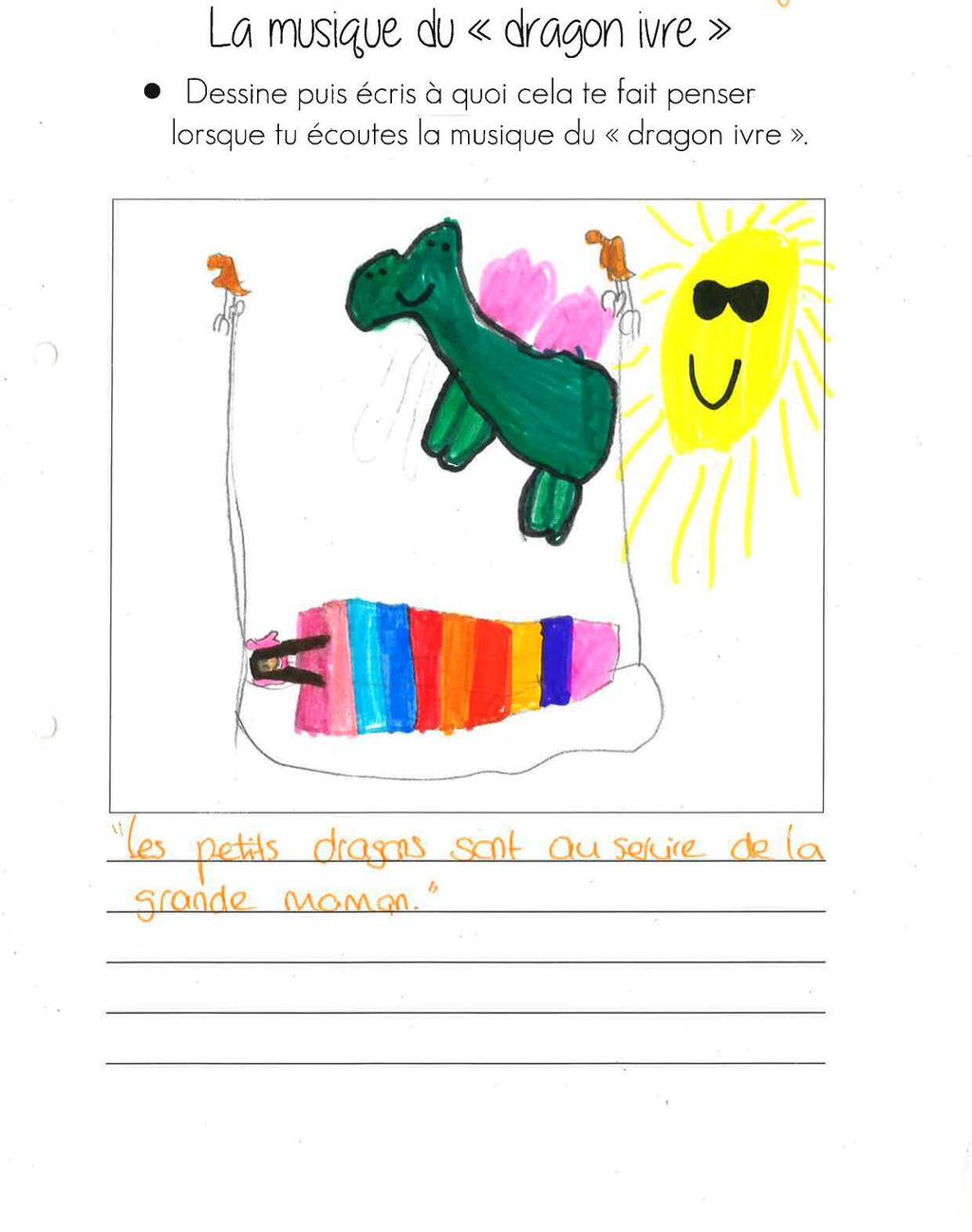
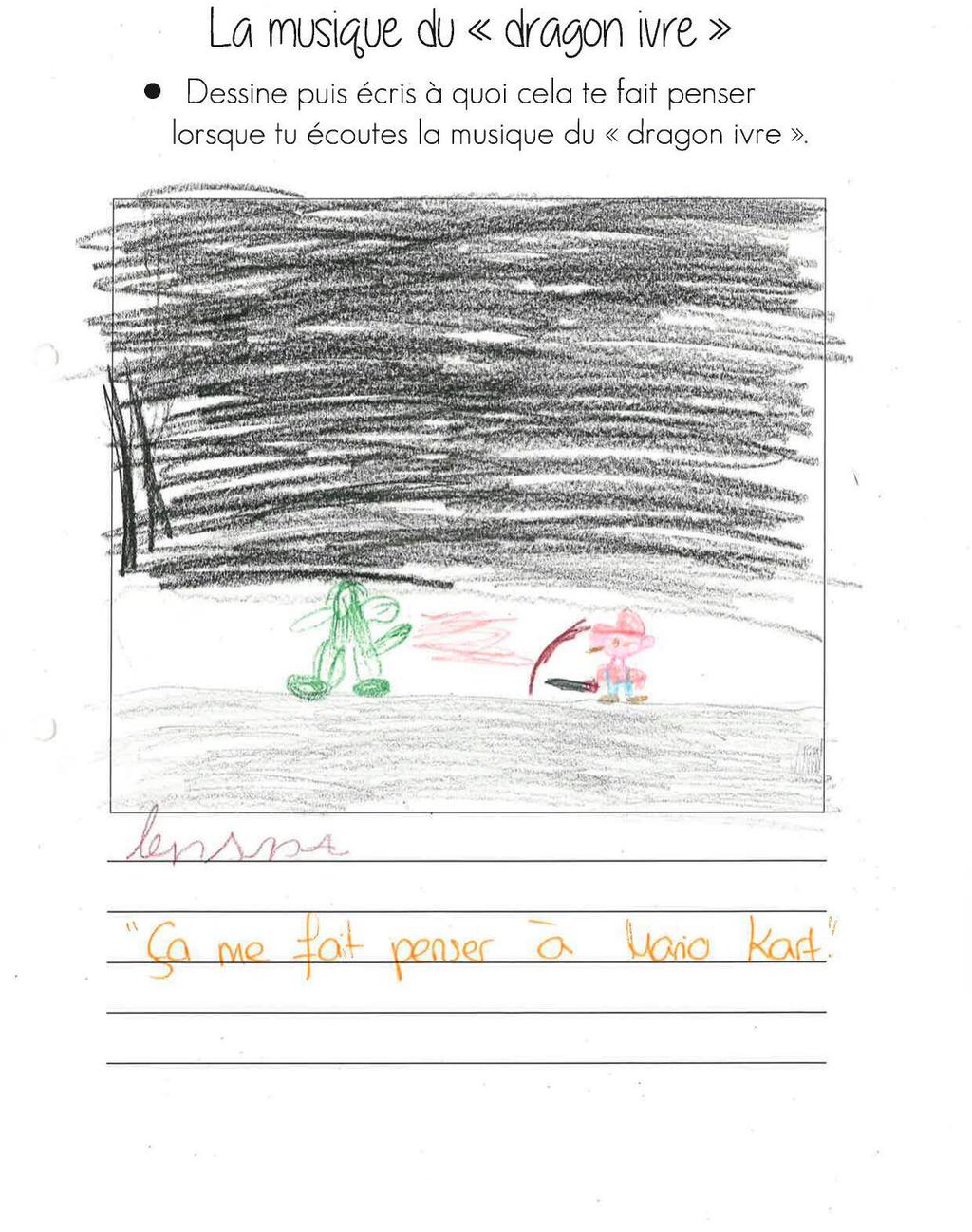
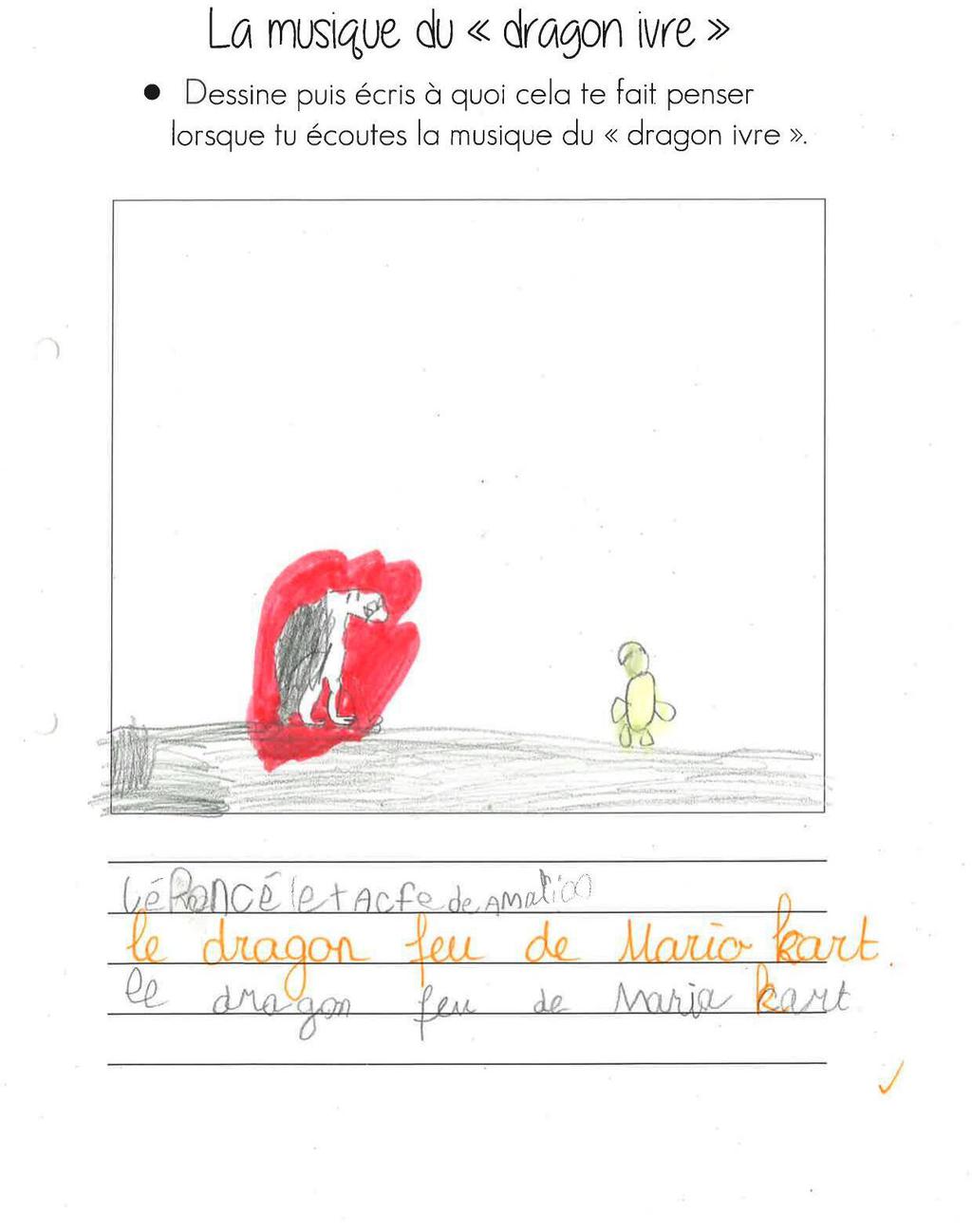
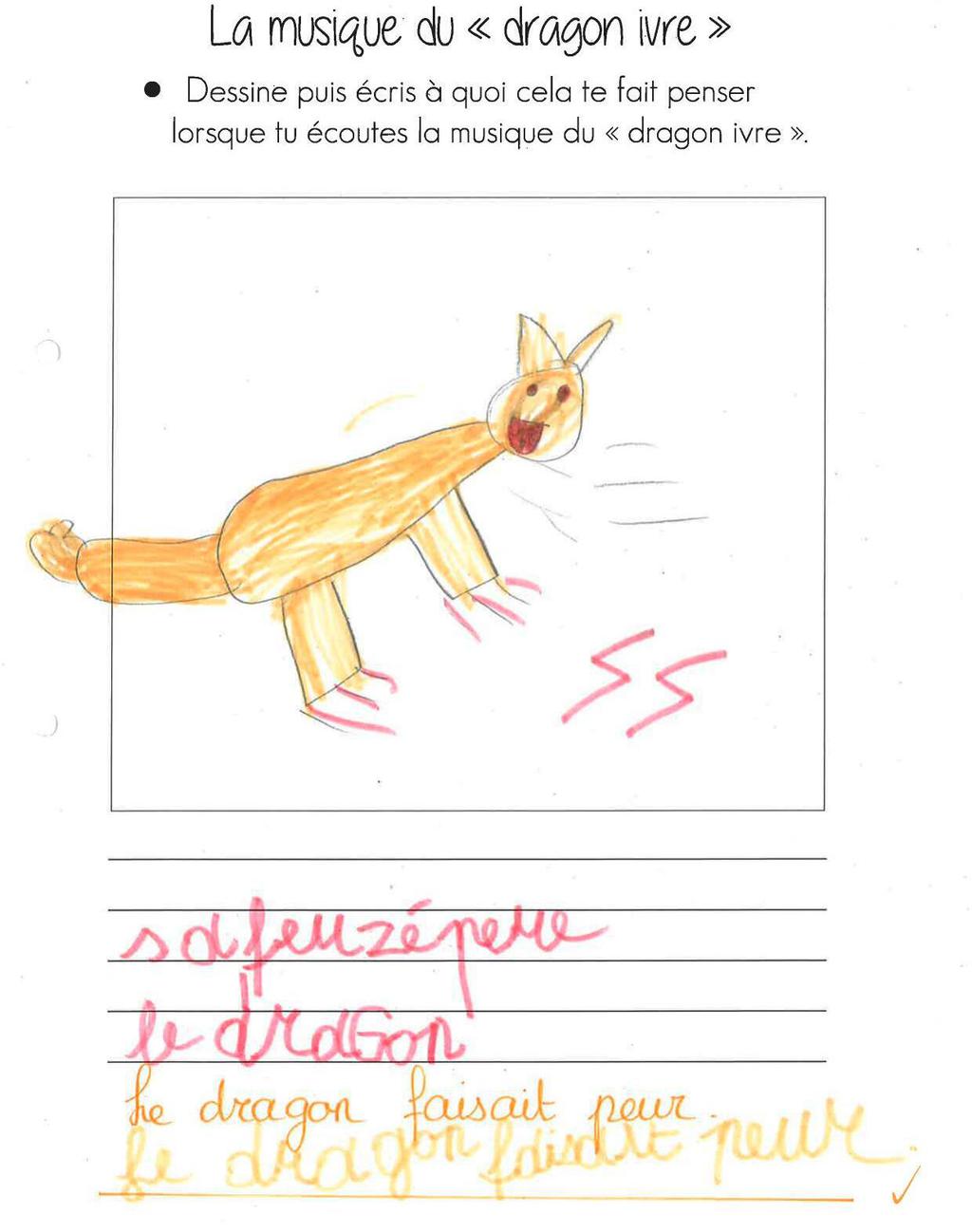
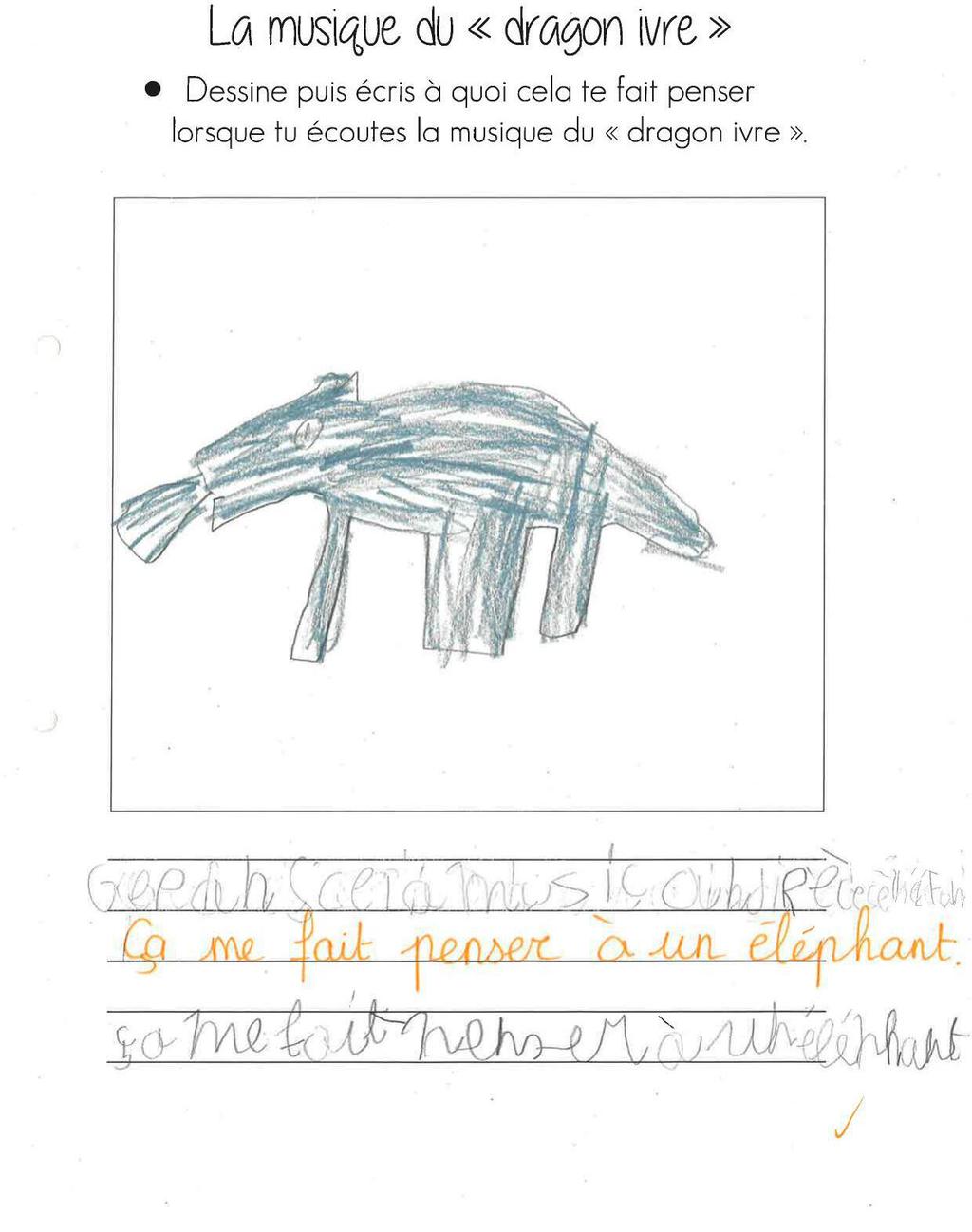
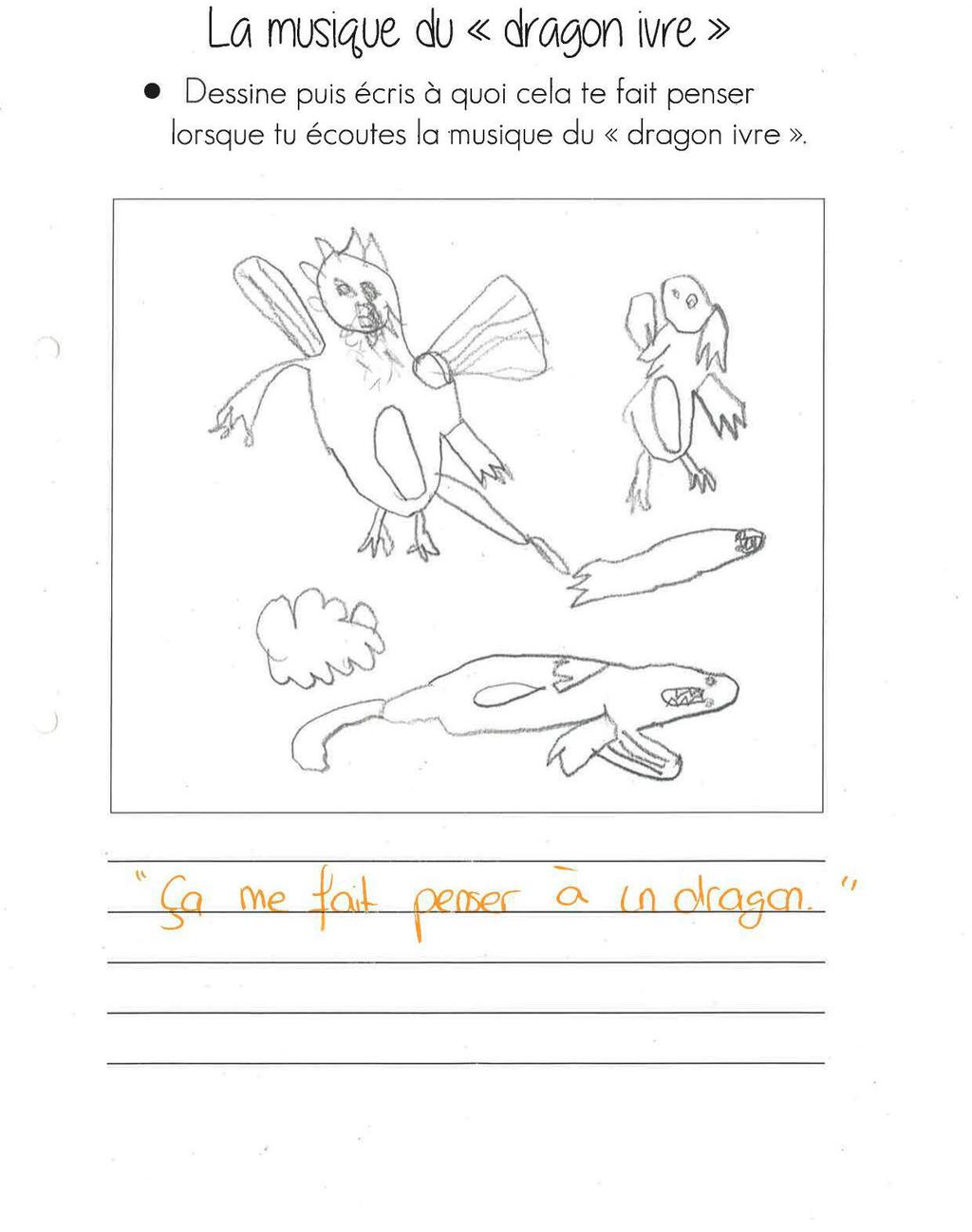
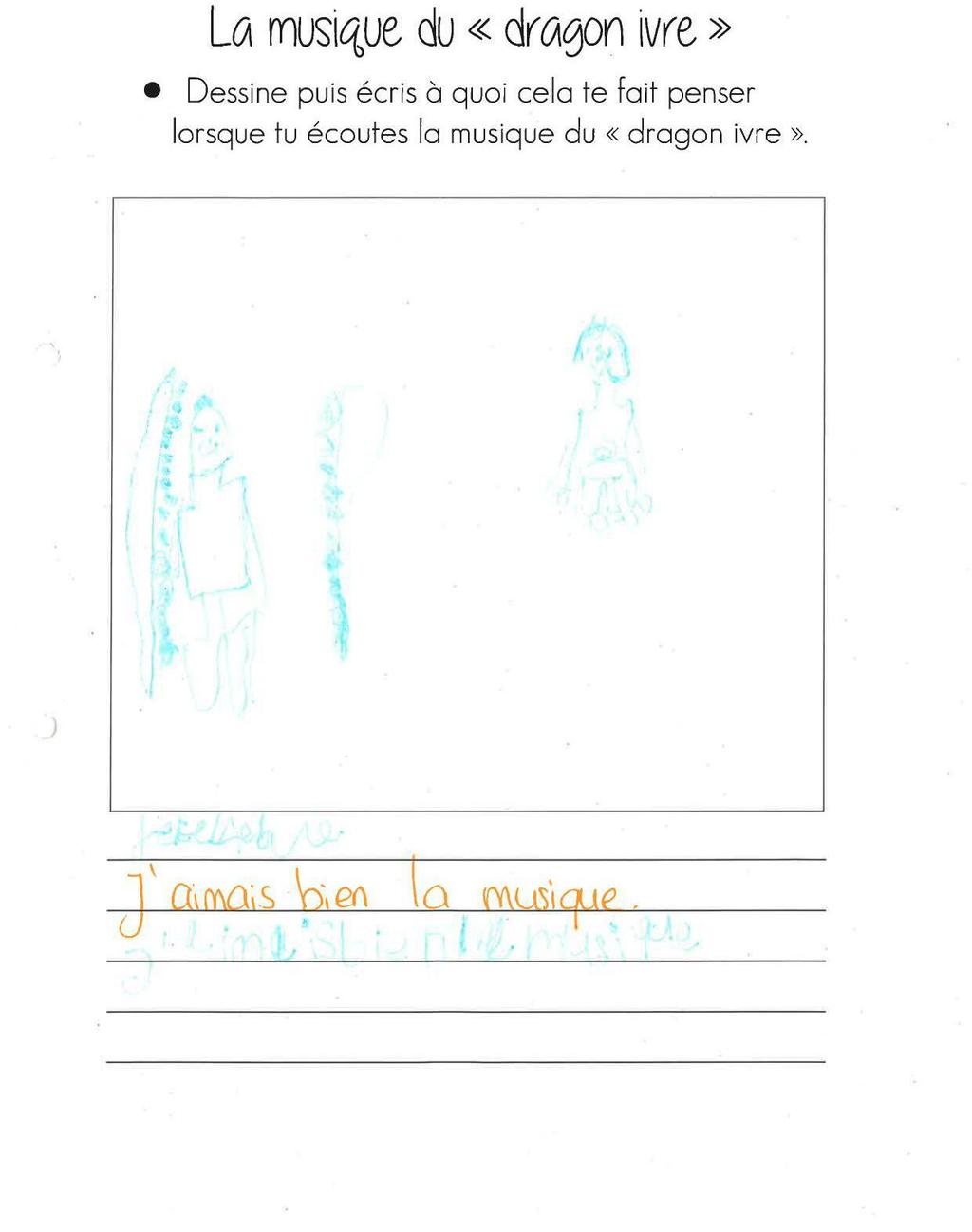
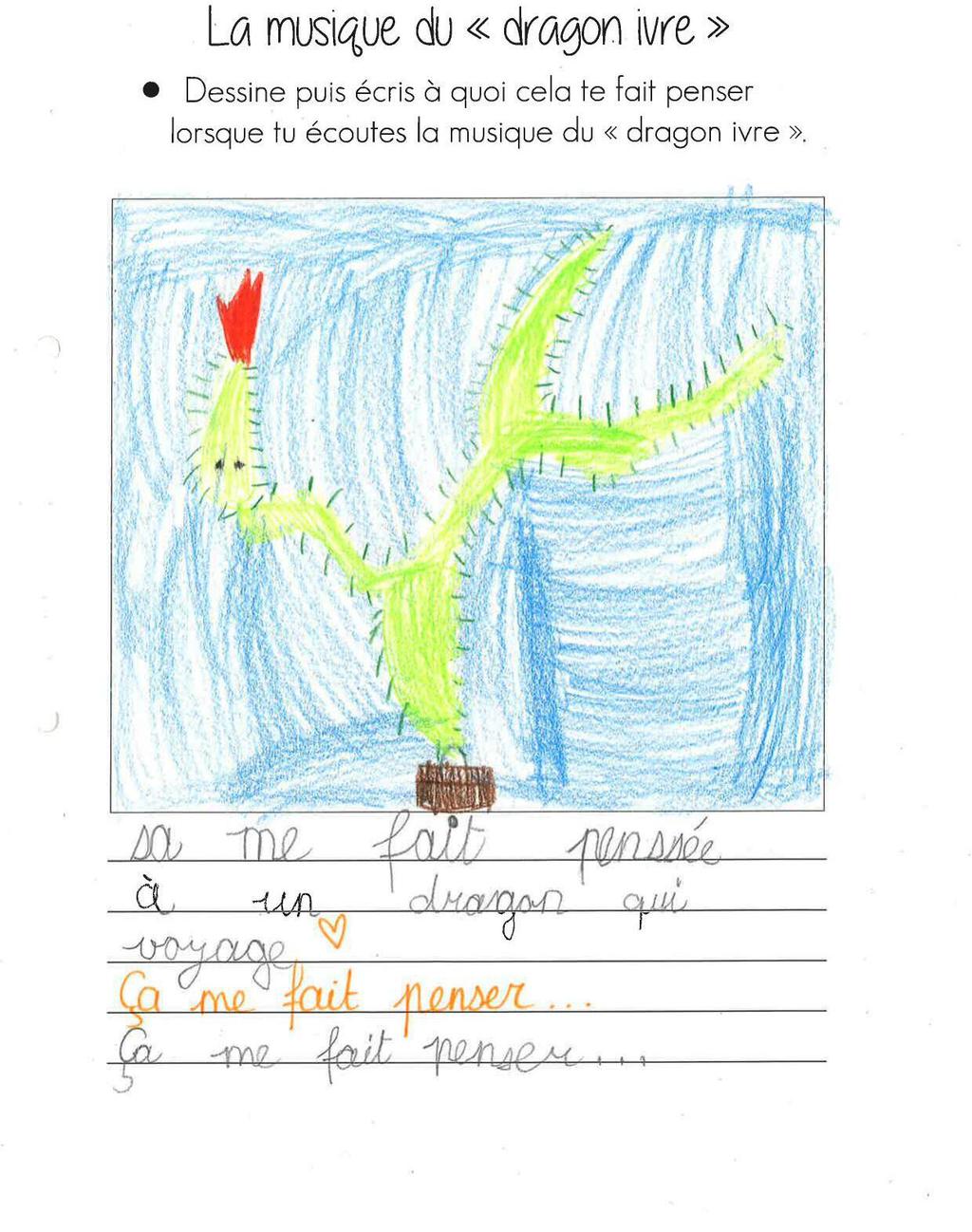
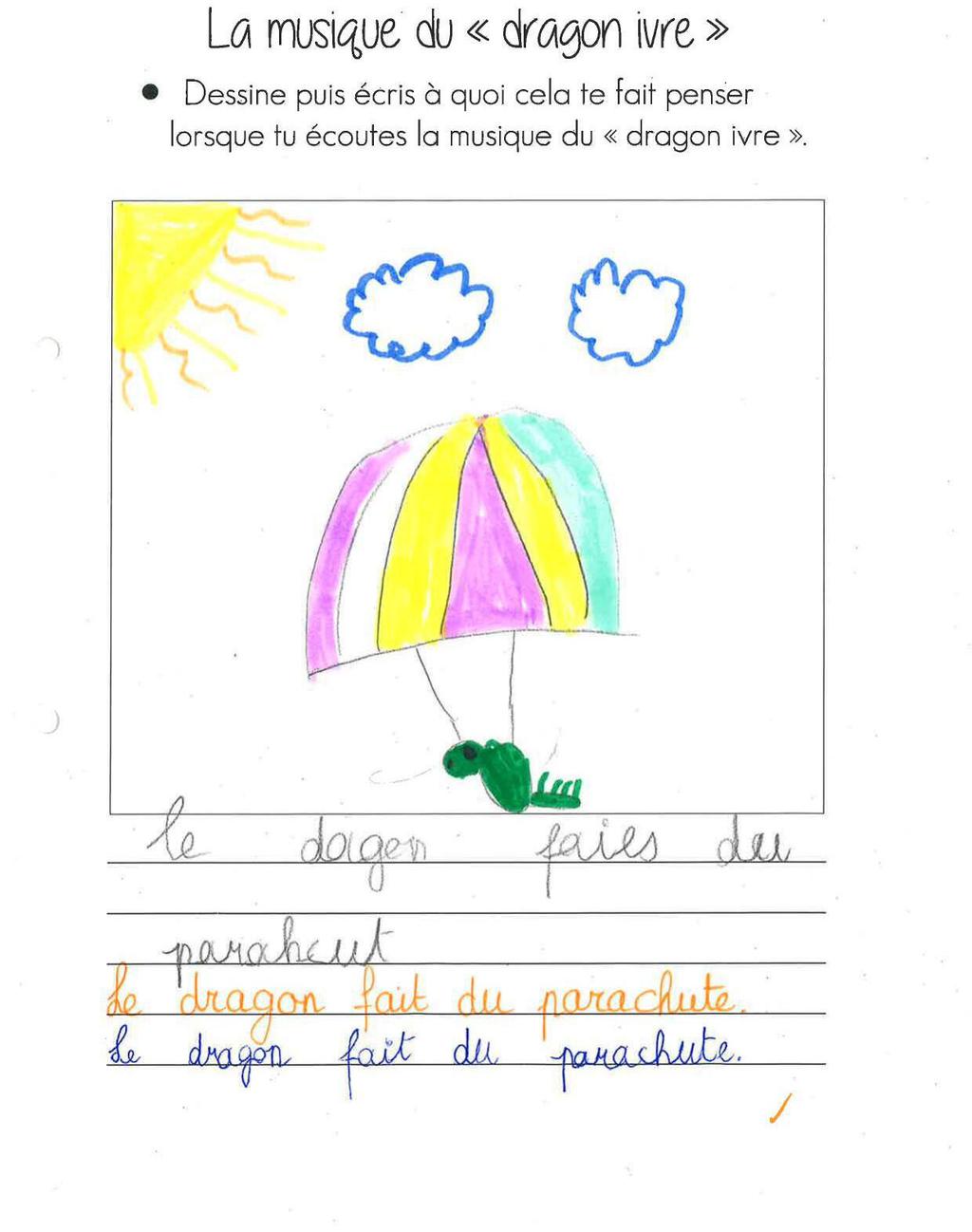
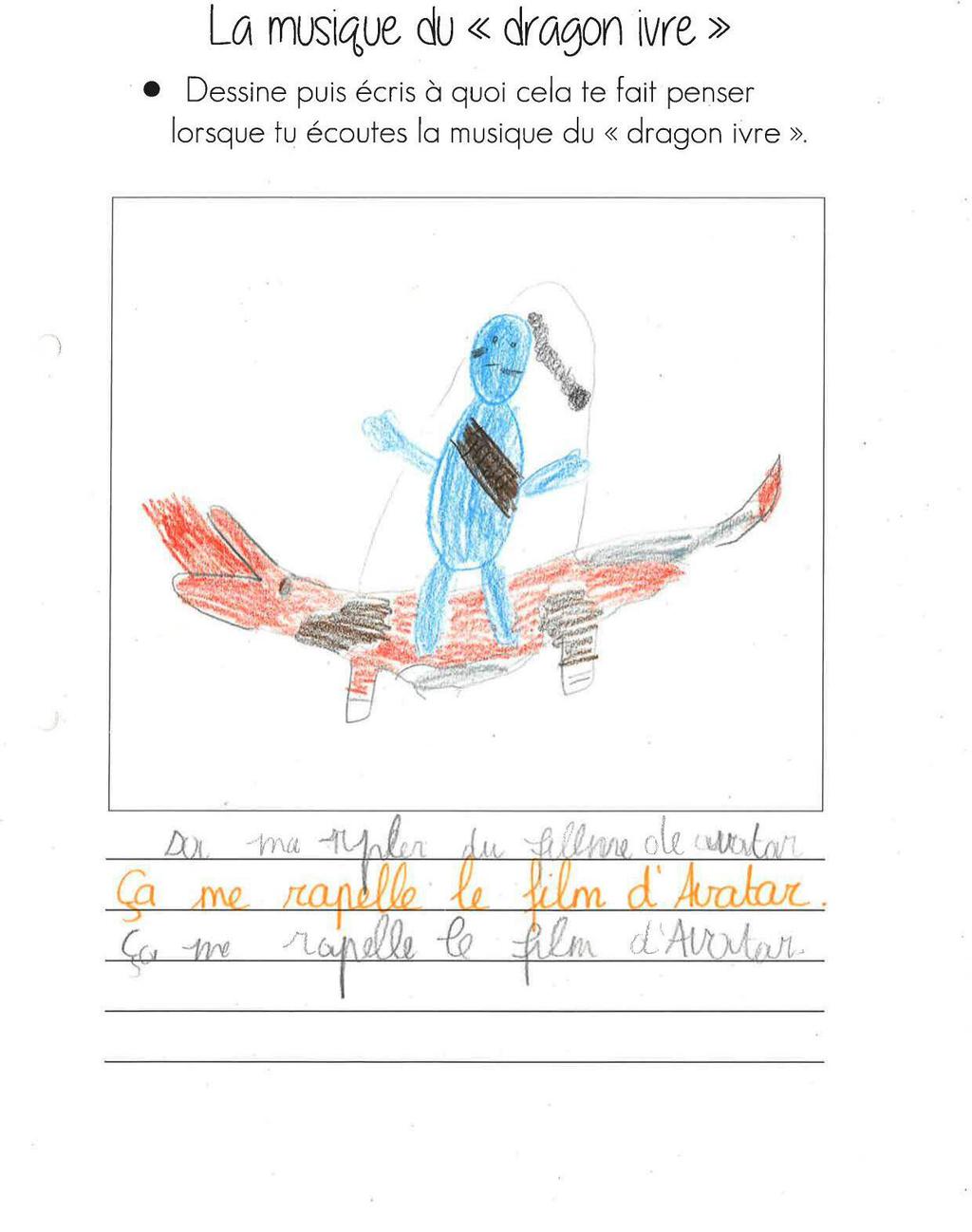
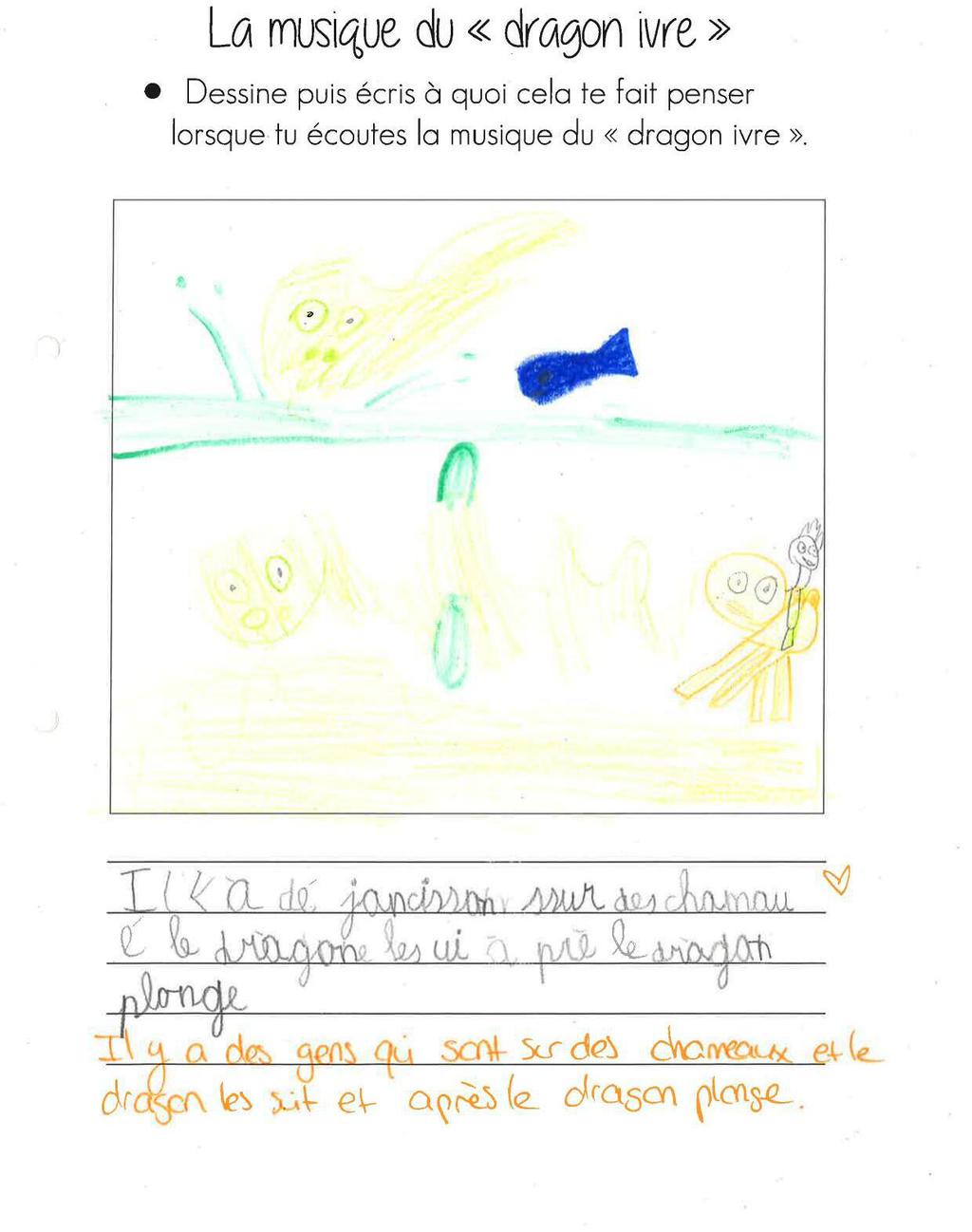
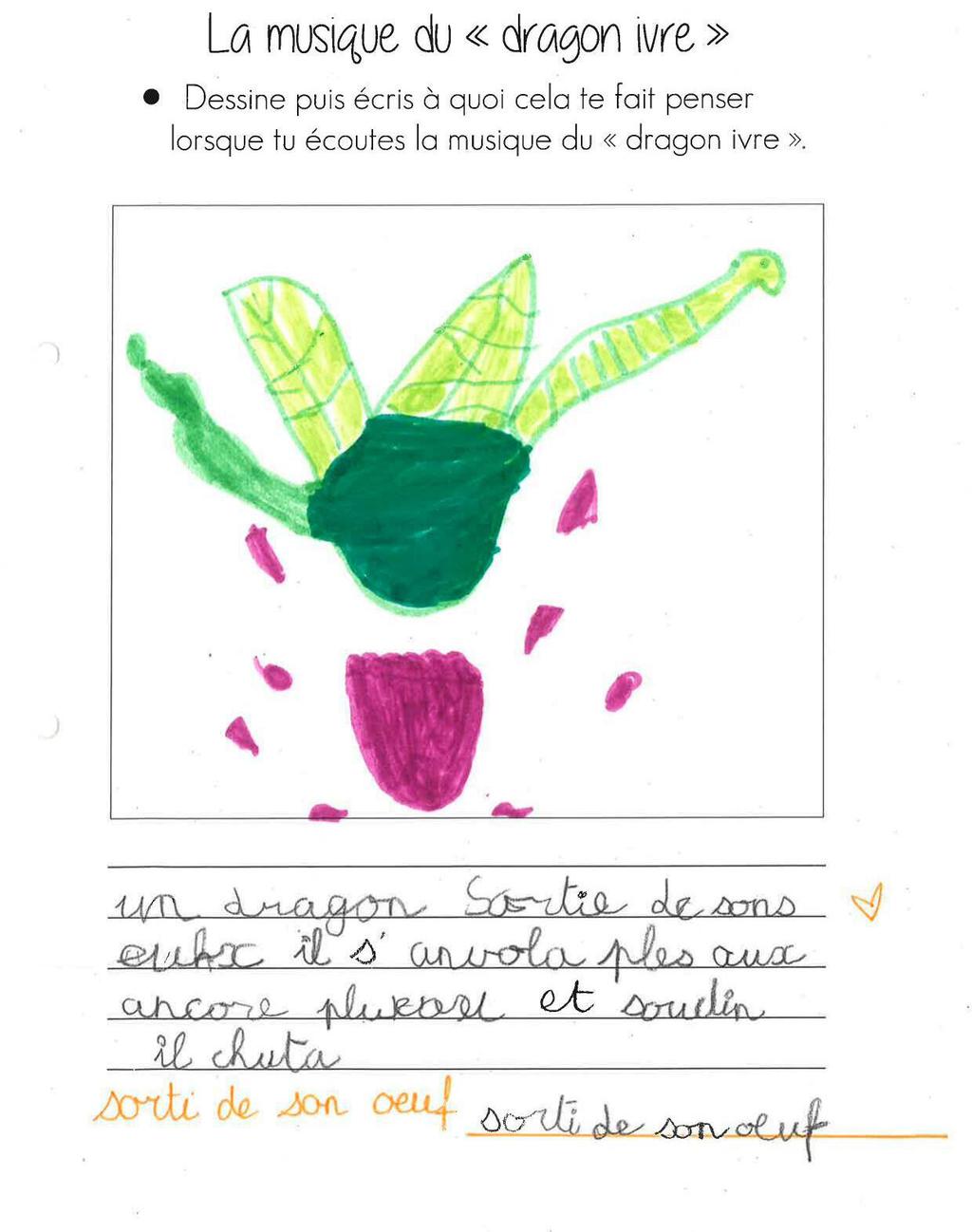
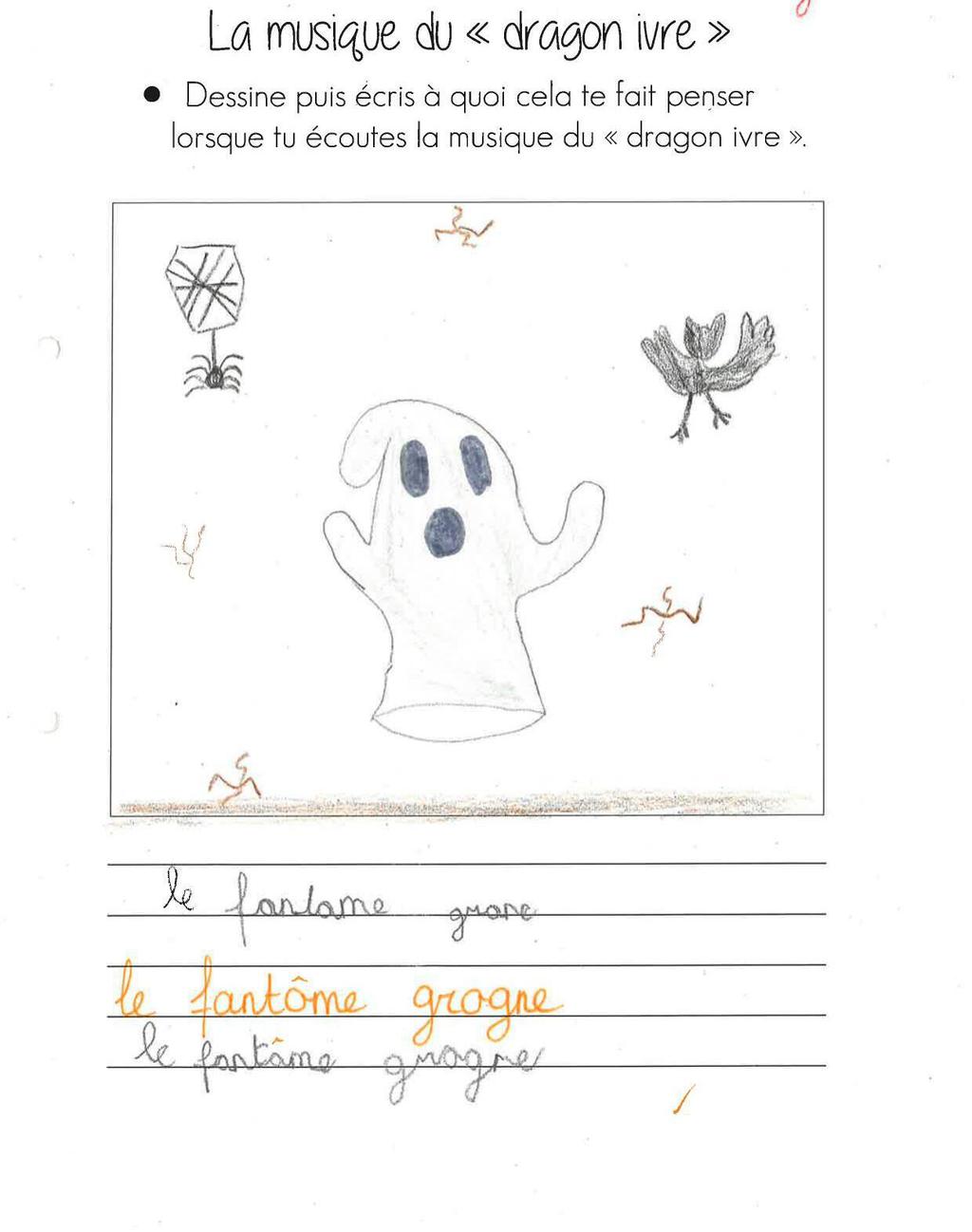
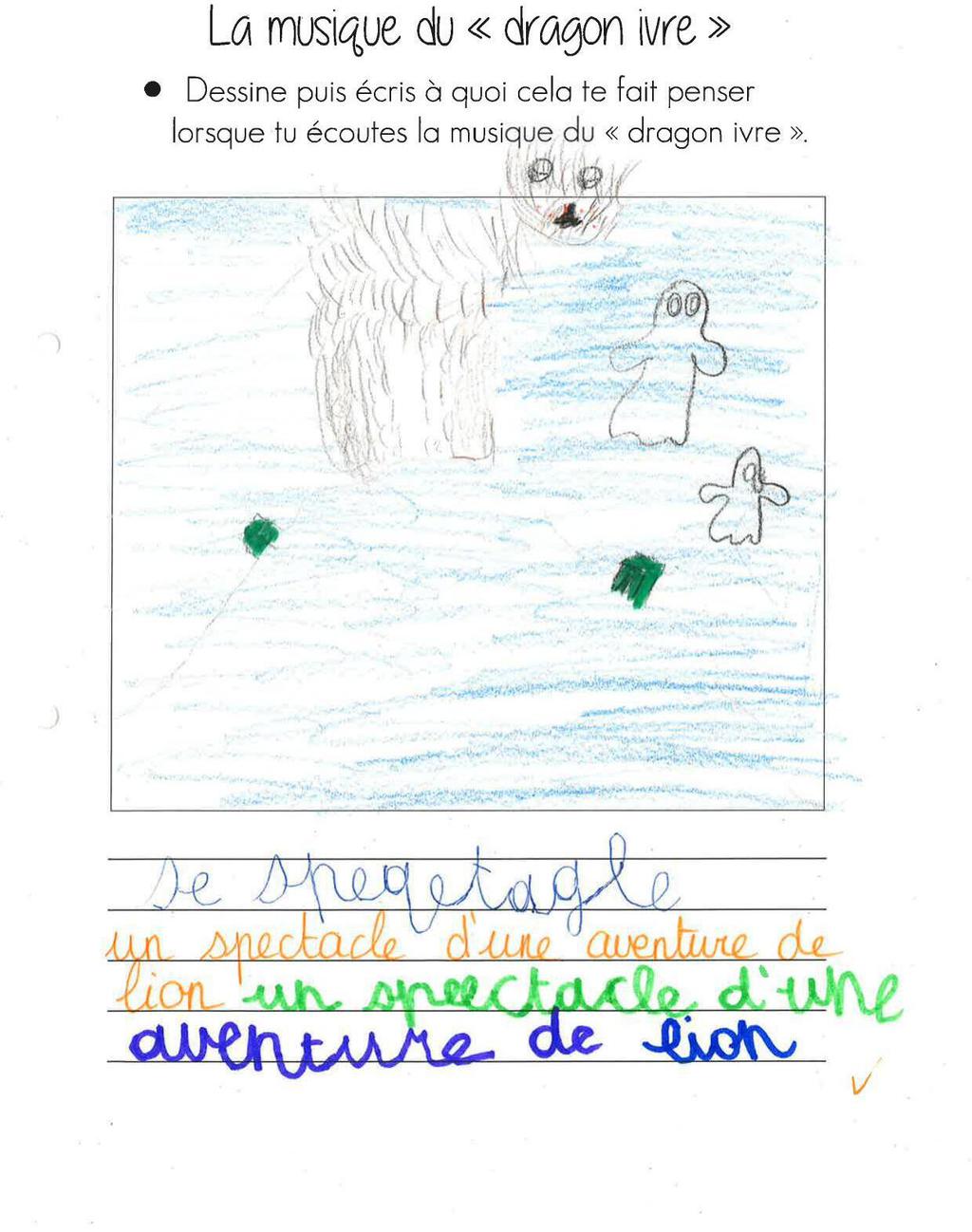
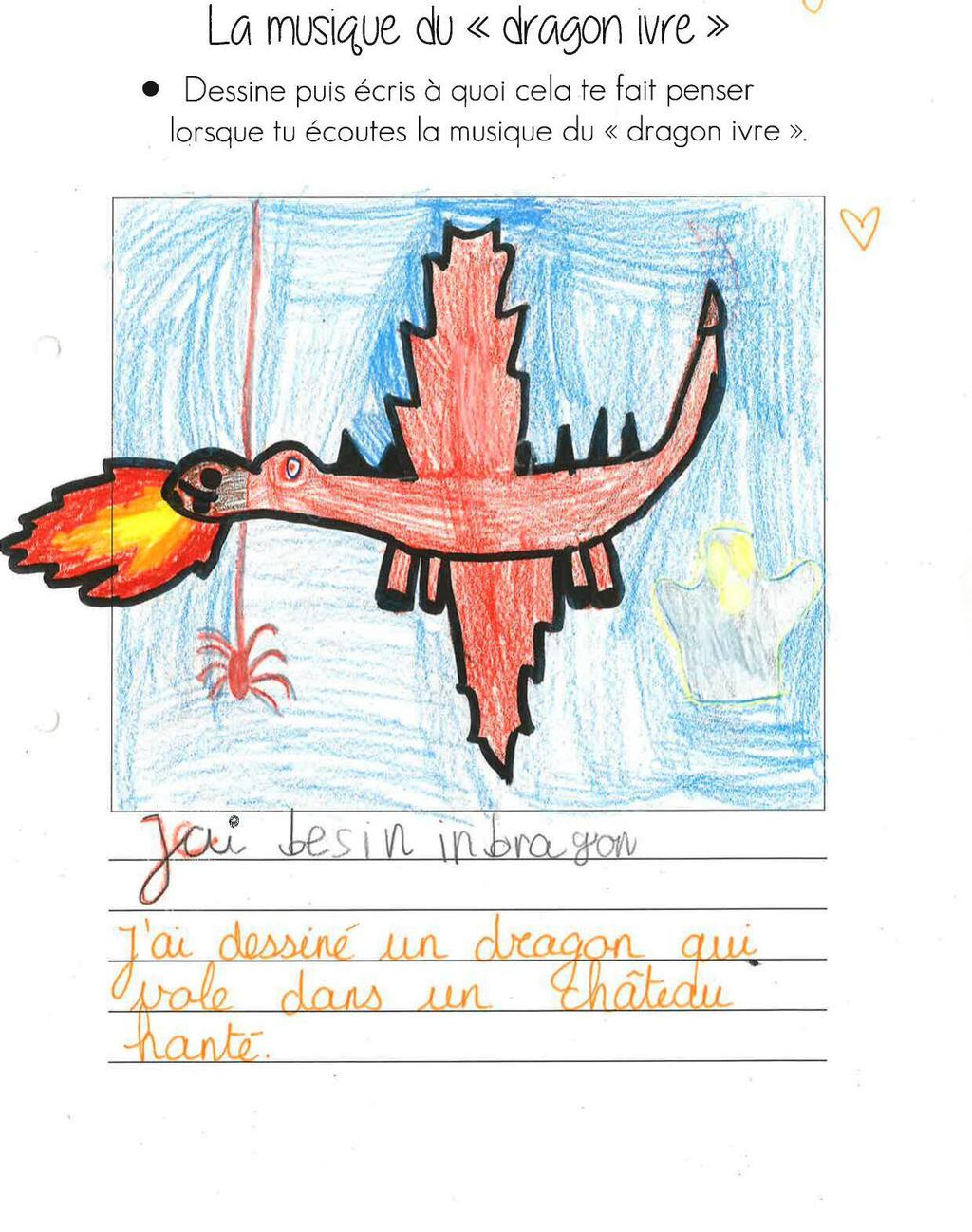
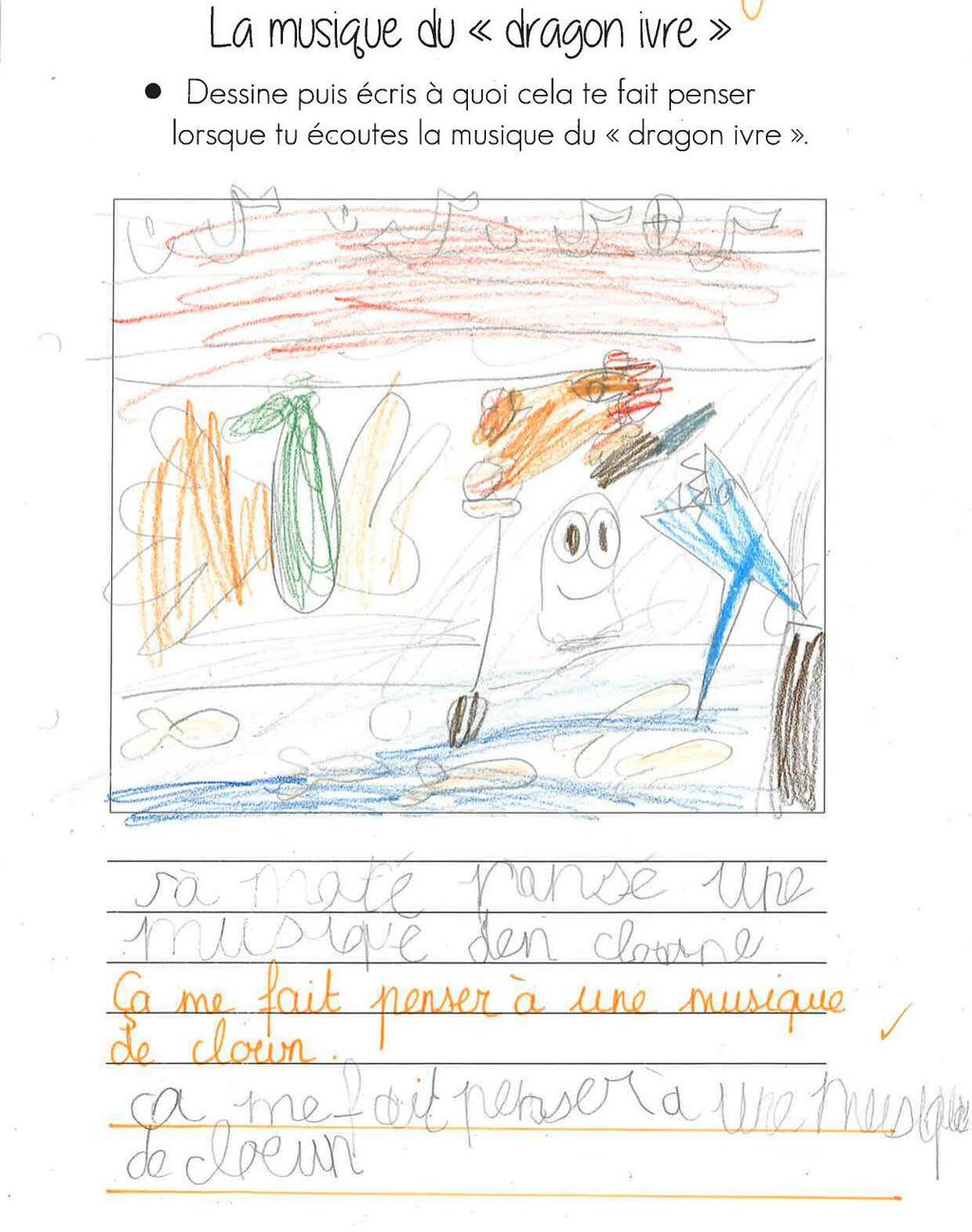
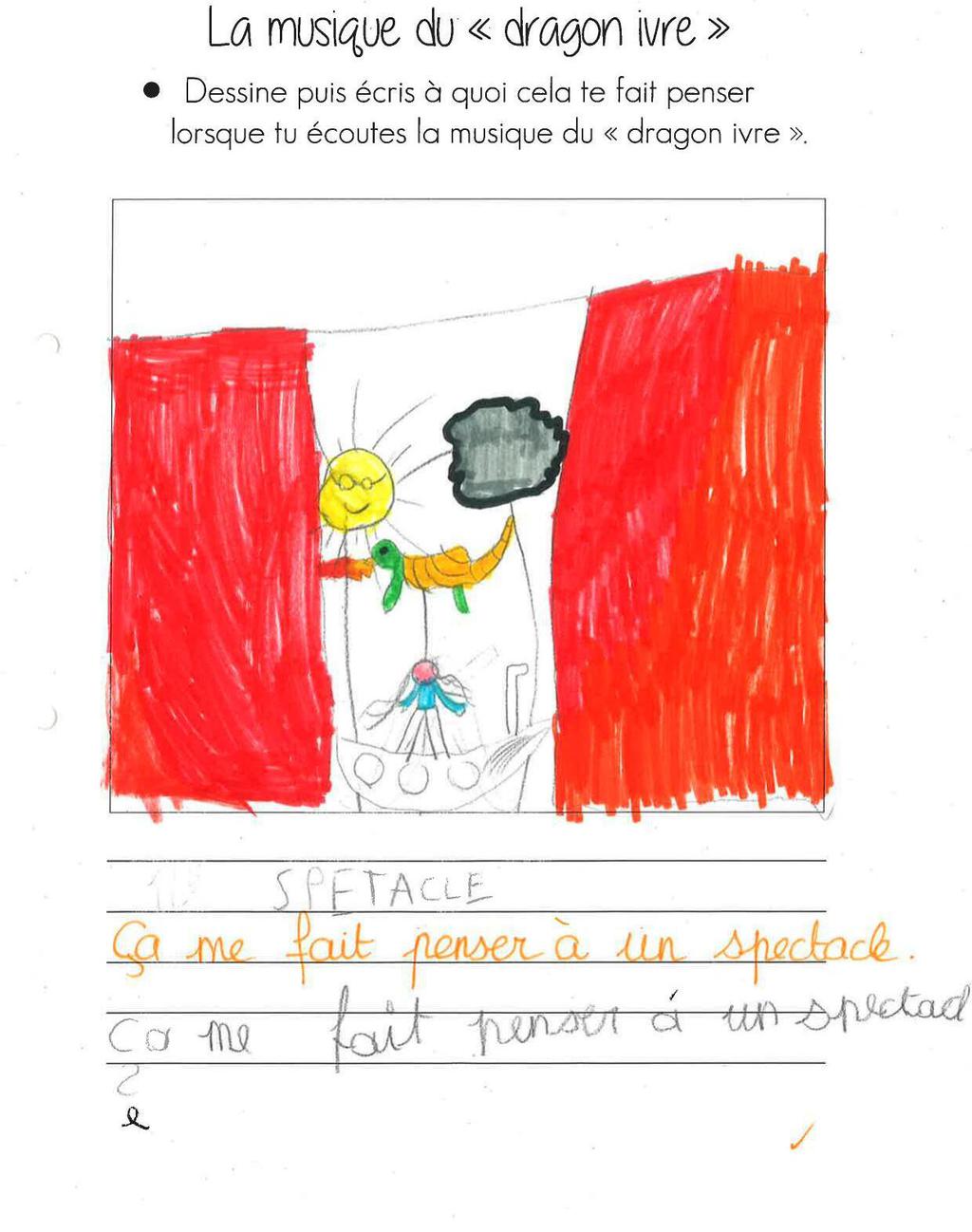
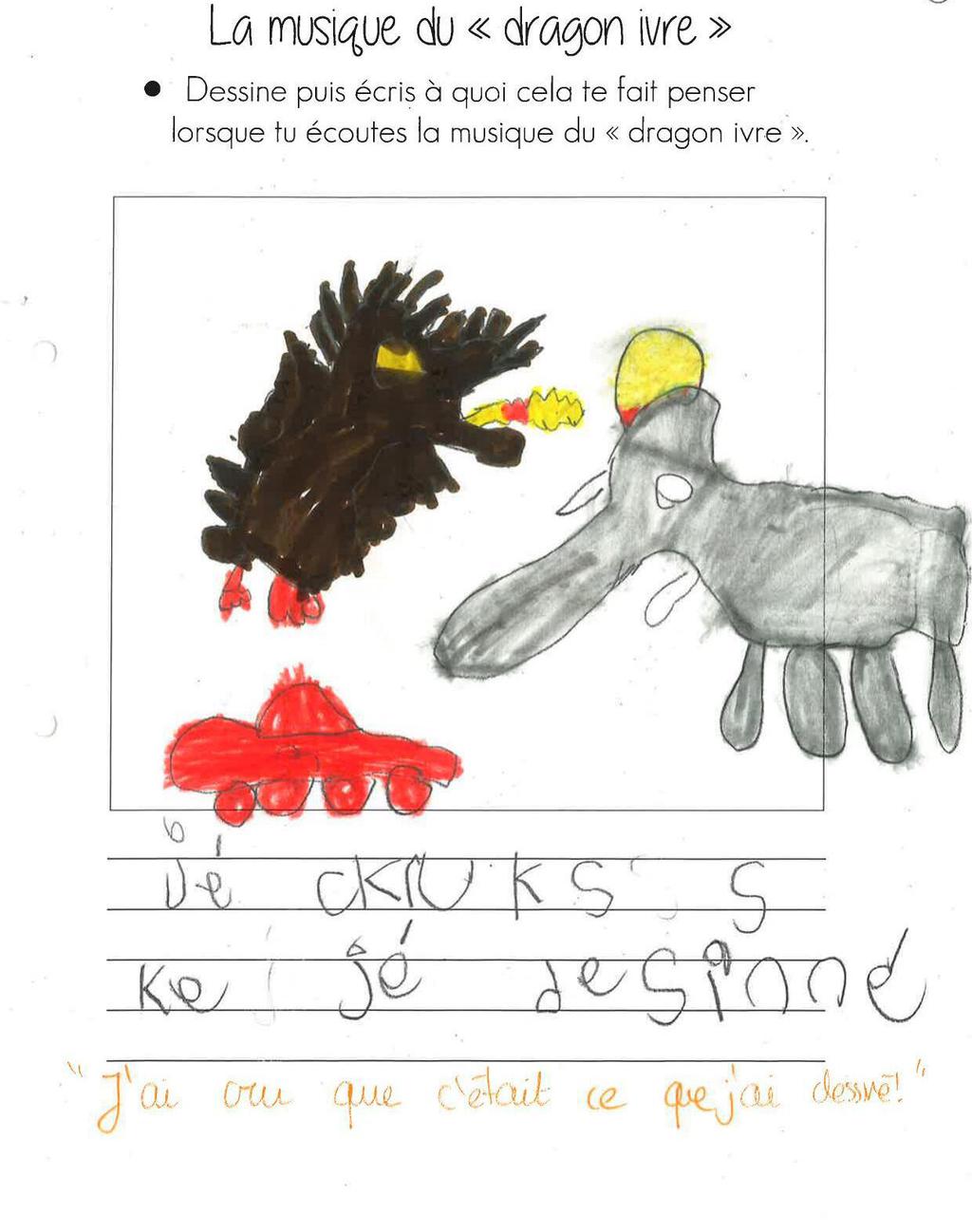
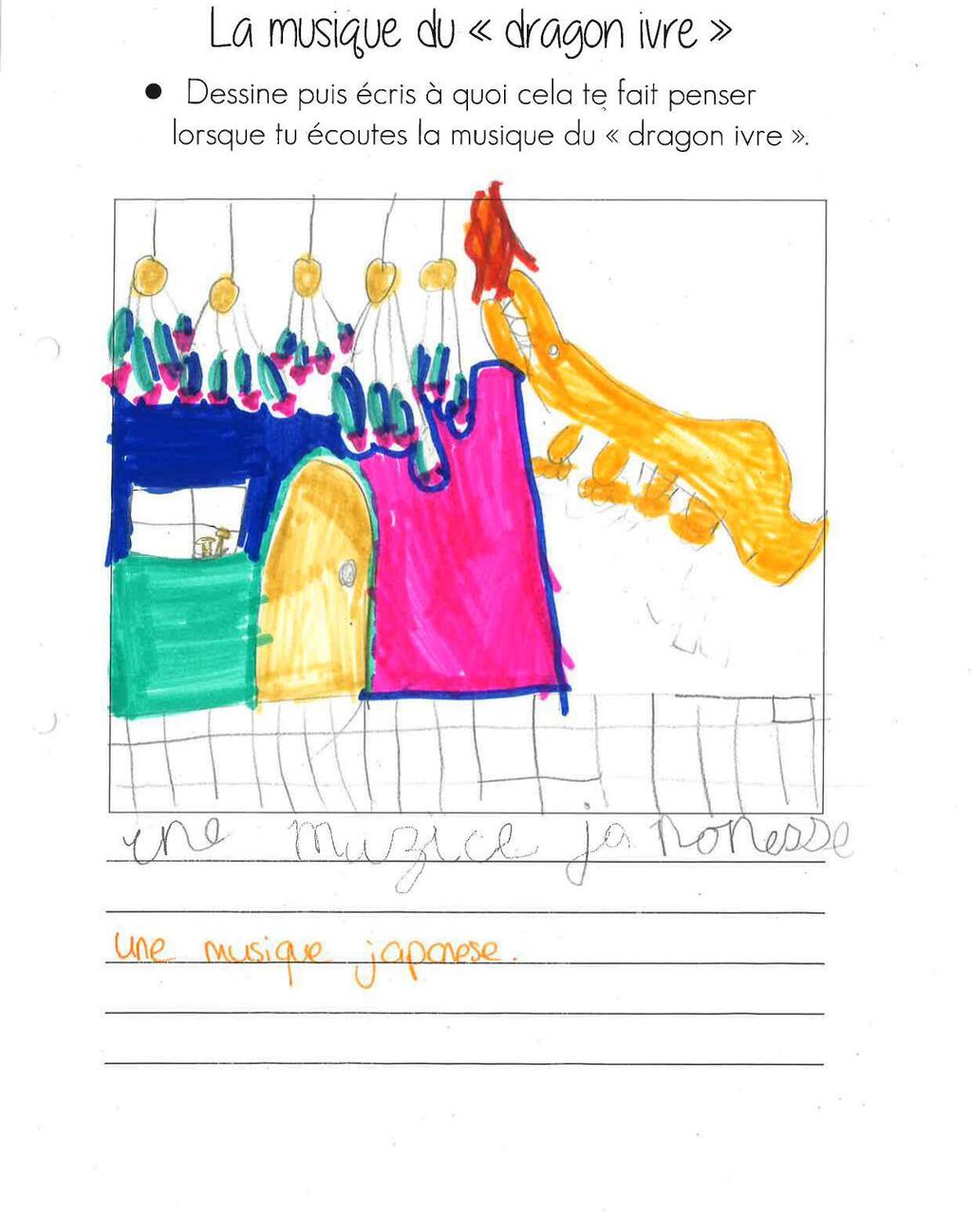
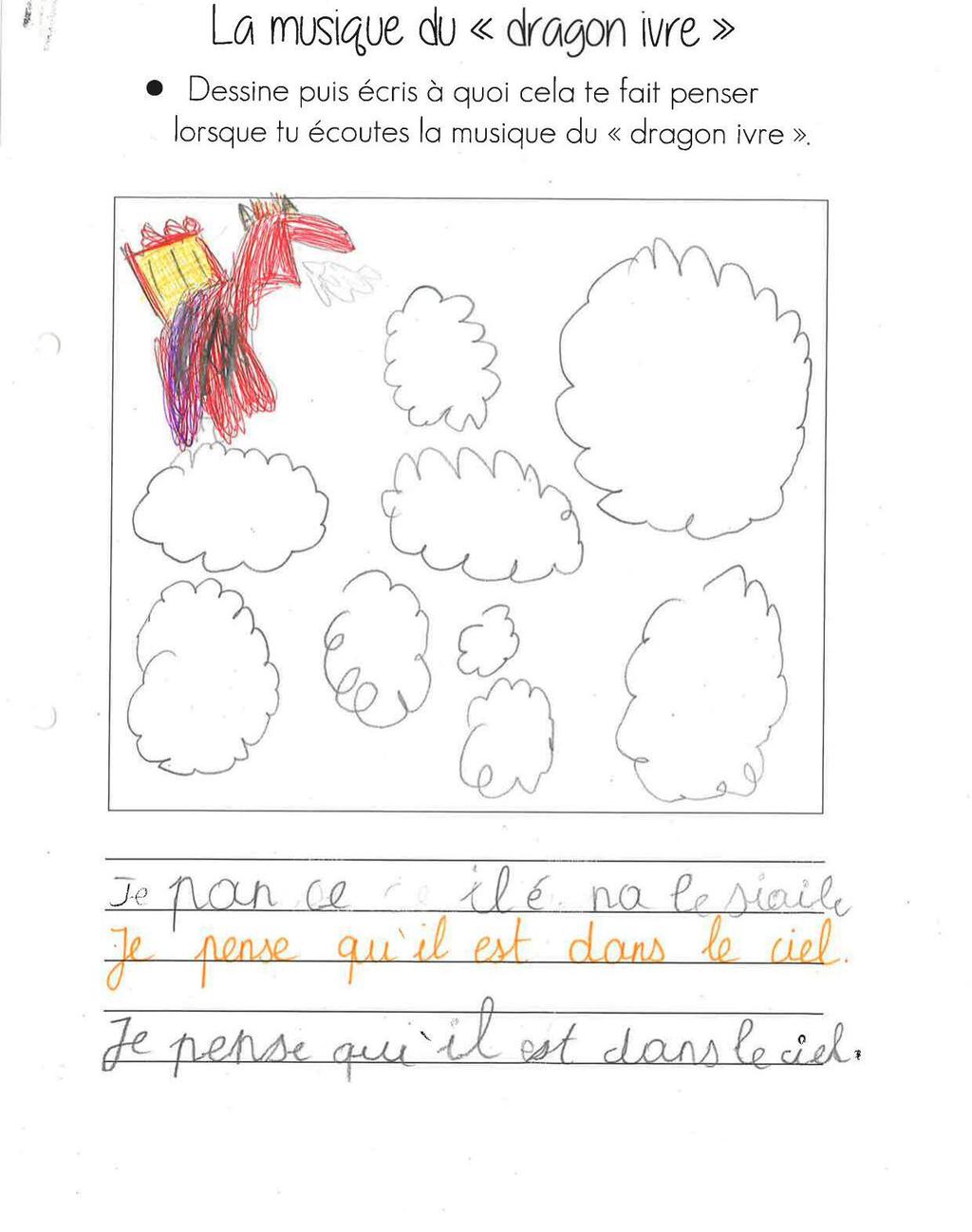
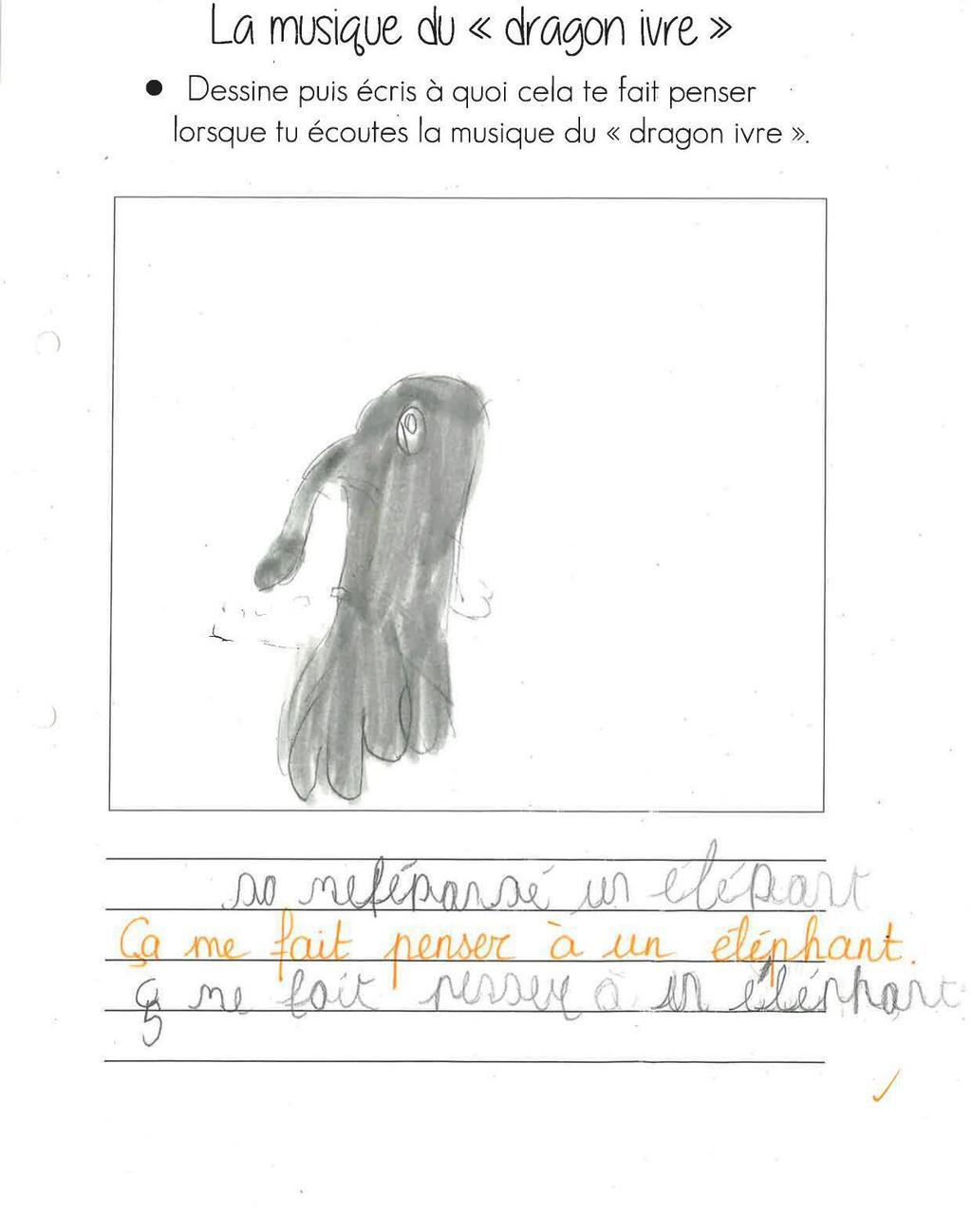
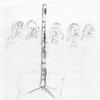
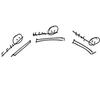
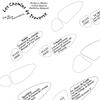
Après un passage à l'Atelier des Carrels où ils ont notamment entendu Le Dragon Ivre (extrait de Dragonfly), des élèves de 3H (environ 7 ans) ont dessiné et écrit ce qu'ils ont entendu. Quel cadeau de bénéficier de leur regard neuf sur notre musique!
Harpejji solo 4 - Easy harpejji sight-reading
(This news is part of the Harpejji solo project)
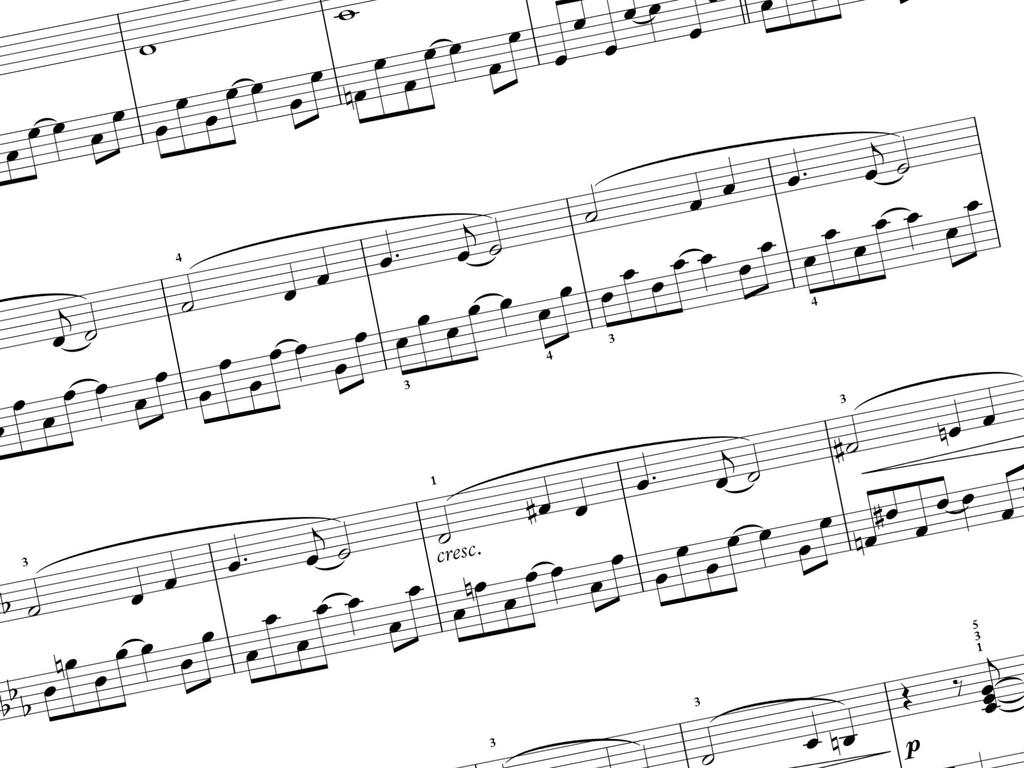
Finding easy sheet music for practicing sight-reading on the harpejji is not as easy a task as one would expect. Most pedagogic material for beginners on the keyboard rely on techniques quite specific to the keyboard. Fingers resting on C-D-E-F-G in both hands, use of the pedal... all things that don't transfer very well on the harpejji and make these easy pieces much less easy.
Lately I stumbled upon this set of pieces by Franck Gasseling that I find very nice. Most of them transpose relatively easily to the harpejji; the first ones are very easy but there is a steady progression to less easy ones; and most importantly, they sound more like music than like exercises. Note that there are also recordings of most of them, so if you need to hear them first that's also possible. Thank you Franck Gasseling for this nice work (although I'm pretty sure you didn't really target the harpejji when writing these pieces!)
Want more? Along the years, I've also been toying with
- pedagogical pieces from the baroque era like Michel Corette's Les amusements du Parnasse. The subtitle alone should convince you to try them: "Méthode courte et facile pour apprendre à toucher le Clavecin avec les plus jolis airs à la mode."
- Alec Rowley's Selected progressive Studies
- The Five miniatures preludes & fugues by the same Alec Rowley are a little bit more challenging but sound very nice too.
Harpejji solo 3 - Discussion about the harpejji
(This news is part of the Harpejji solo project)
Yesterday was a Coulisse at Les Chemins de Traverse. I made a quick presentation about the Harpejji solo project and proposed a few considerations about why a harpejji is neither a guitar nor a keyboard and why it matters when writing music for - or improvising on - the harpejji. This yielded interesting discussions about the instruments that will certainly help me in my research during the upcoming months.
Harpejji solo 2 - The harpejji and me
(This news is part of the Harpejji solo project)
I've been interested in two-handed tapping for quite some years now, but my first experiments with the Chapman Stick and then different sorts of tapping guitar didn't work well. Not coming from the guitar, I had many difficulties finding an ergonomic body posture and I found the geometry of the fretboard very difficult to master. I was getting more and more frustrated because I did not really progress when I discovered the harpejji, which seemed like the perfect solution to these problems.
I was lucky enough to be able to try one not far from where I live (in 2013 this was an incredible luck) and by the end of 2013 I had my own harpejji. I experimented a little bit with the instrument, even in gigs, but for various personal reasons, it's only in 2019 that I really started to develop my harpejji technique.
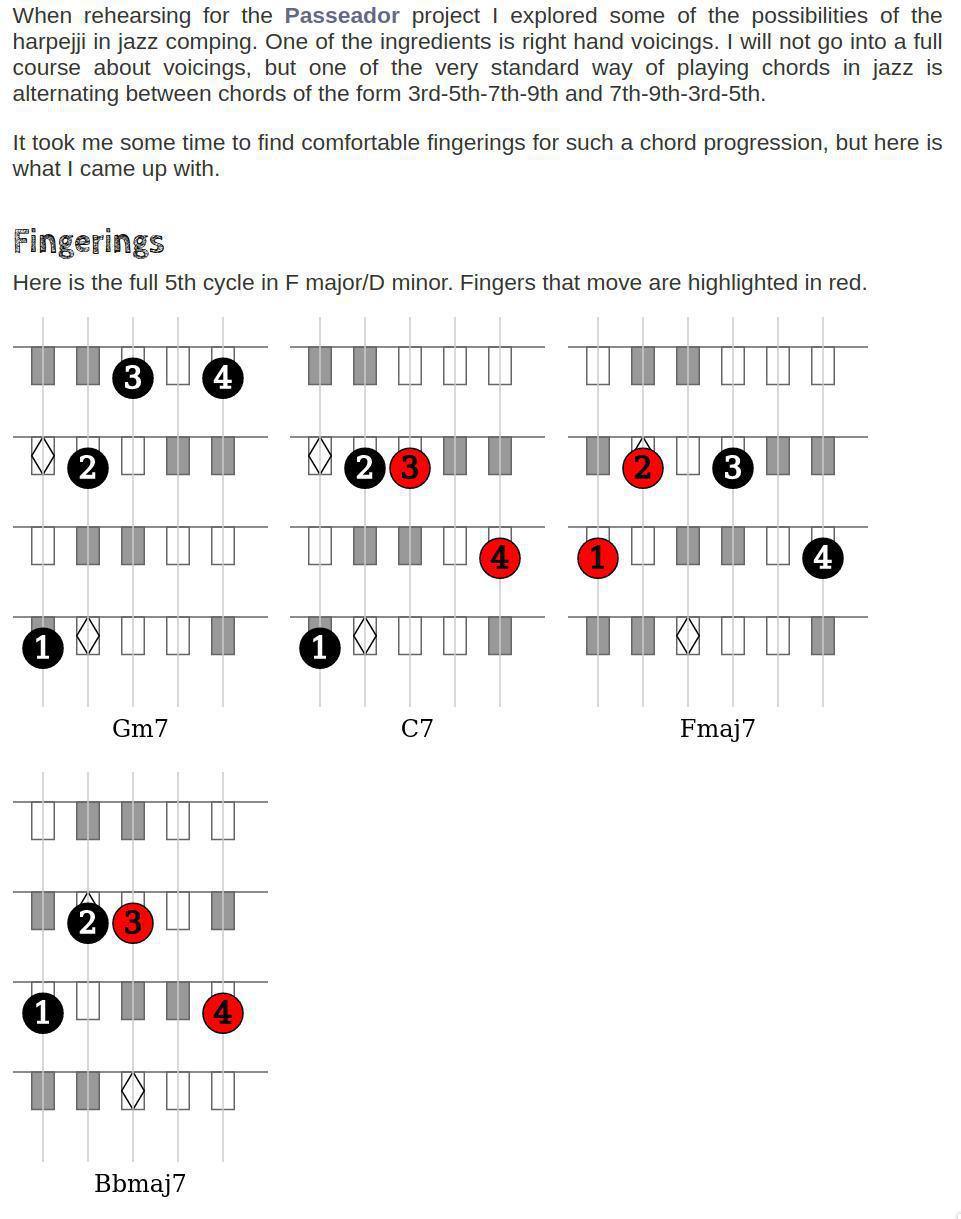
As a melodist, I was especially interested in developing accompaniment. In particular the Paseador project allowed me to experiment with diverse comping techniques. Part of these techniques I described in a series of blog posts so that my experience could benefit other players.
Along the way, I found that I needed a way to describe scale and chord shapes and fingerings so I developed a notation inspired by guitar tablatures. As I was spending a lot of time drawing these tablatures, I asked the HE-Arc Ingénierie, the Technical University of my home town, if one of their students could help me develop an editor. Soon the student Nicolas Laoun was developing a great [open-source...
Harpejji solo 1 - Where I come from
(This news is part of the Harpejji solo project)
Before starting to document my research about the Harpejji solo play, I should maybe give some information about my musical background.
I was trained as a classical flutist. Later I also studied jazz flute, and I played in many "crossover" projects mixing classical, jazz, rock and ethno music. Also having a scientific background, I began to develop augmented instruments, which you can hear e.g. in the Dragonfly project. I also began to play "low flutes" (bass and contrabass flutes) more and more. But all this doesn't change this basic fact: my primary musical background is definitely the flute.
Many people taking up the harpejji come from guitar and/or keyboard. I never played the guitar and although I did learn some piano, especially when studying jazz, my keyboard abilities are extremely limited.
Coming to the harpejji with a guitar or piano background certainly helps getting started. Part of the knowledge can be transferred, contributing to get satisfying results faster. But maybe not coming from those backgrounds can provide opportunities to develop techniques specific to the instrument, instead of trying to replicate what one could do on another instrument.
Anyway, that's not for me to judge. My job is to play as well as I can, from where I stand now. Whether I'm taking an easy path or the hard way doesn't change much - I just have to explore it.
La Der' - Le Rapport #9
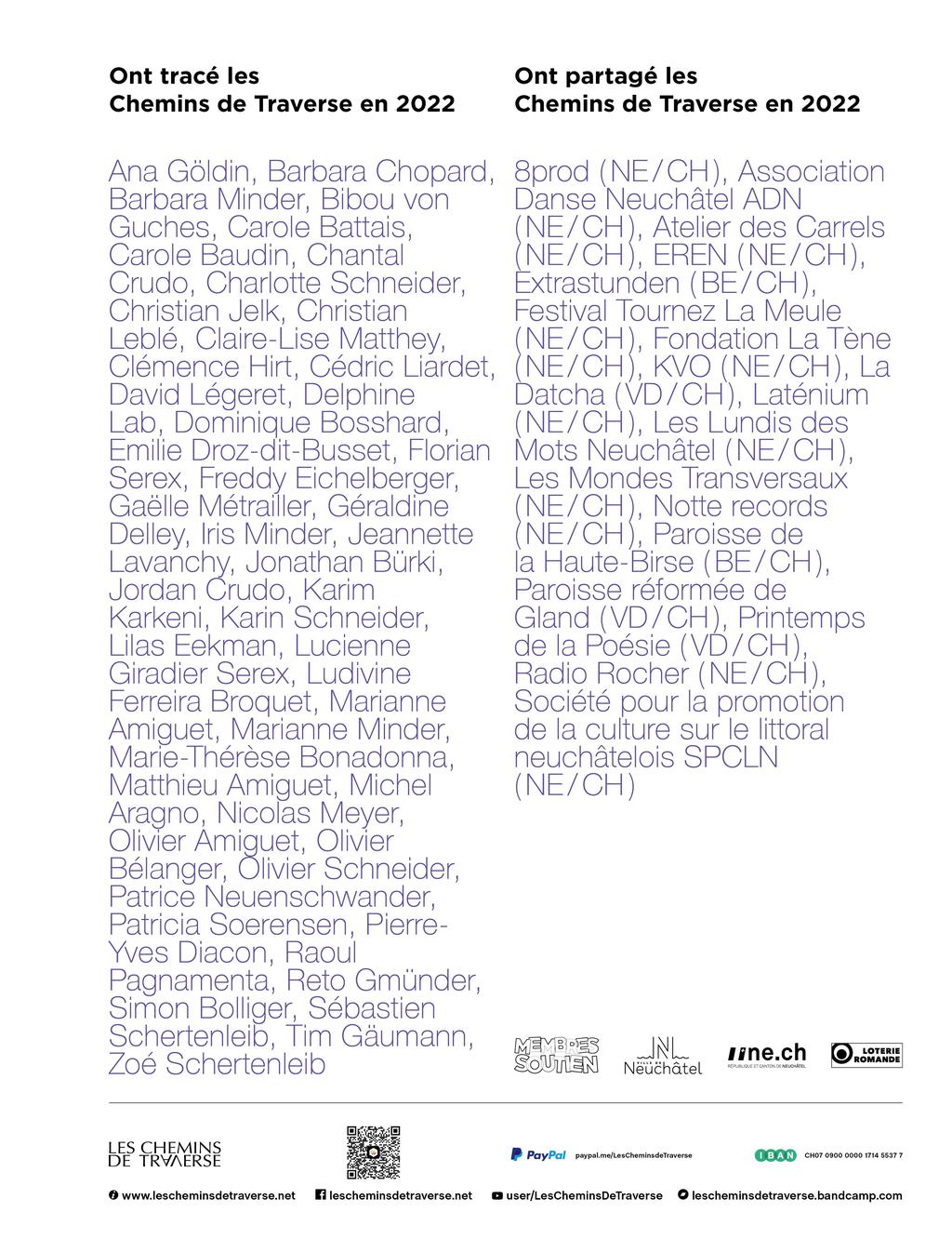

25 ans en 2023 - Le Rapport #9
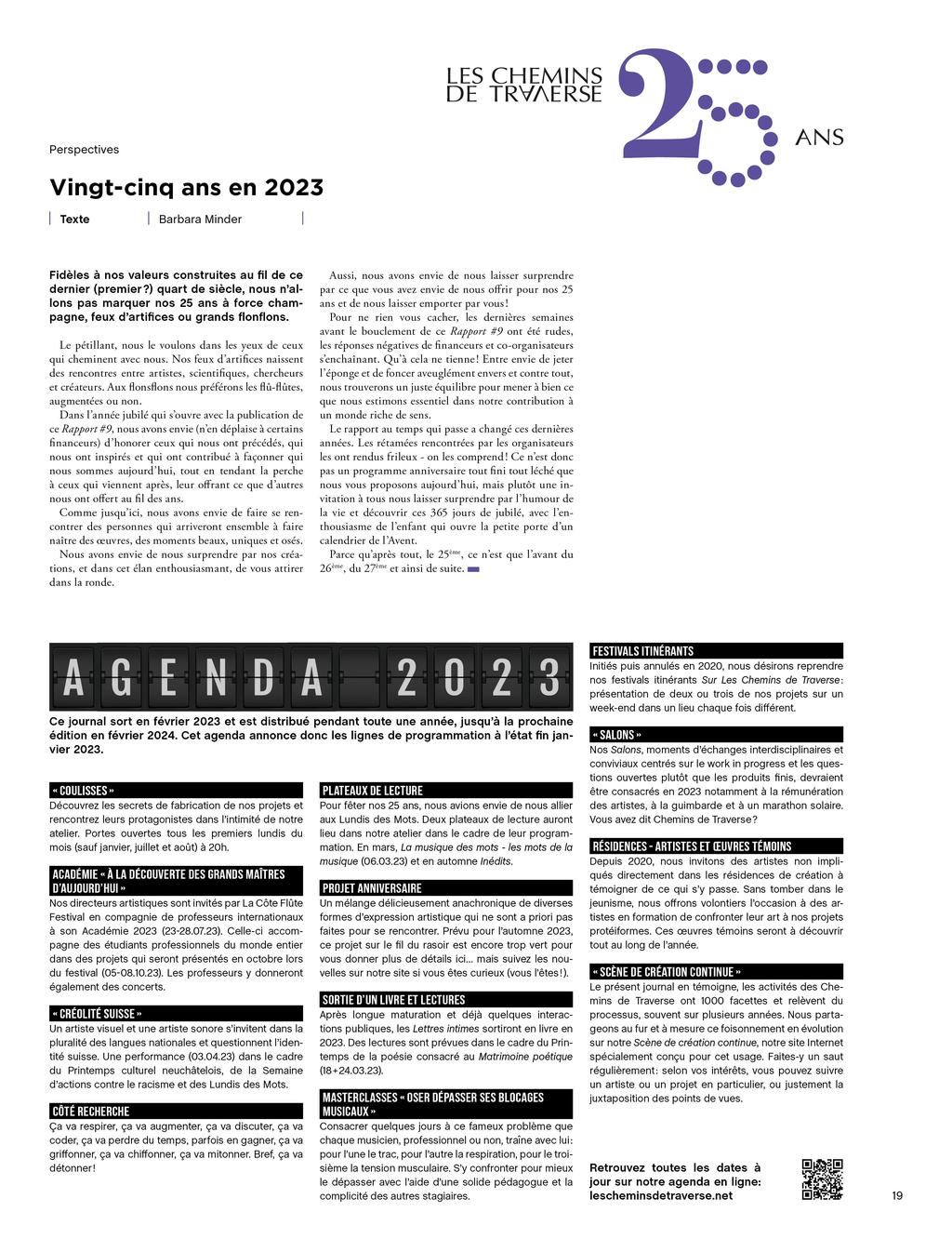
Brèves 22 - Le Rapport #9
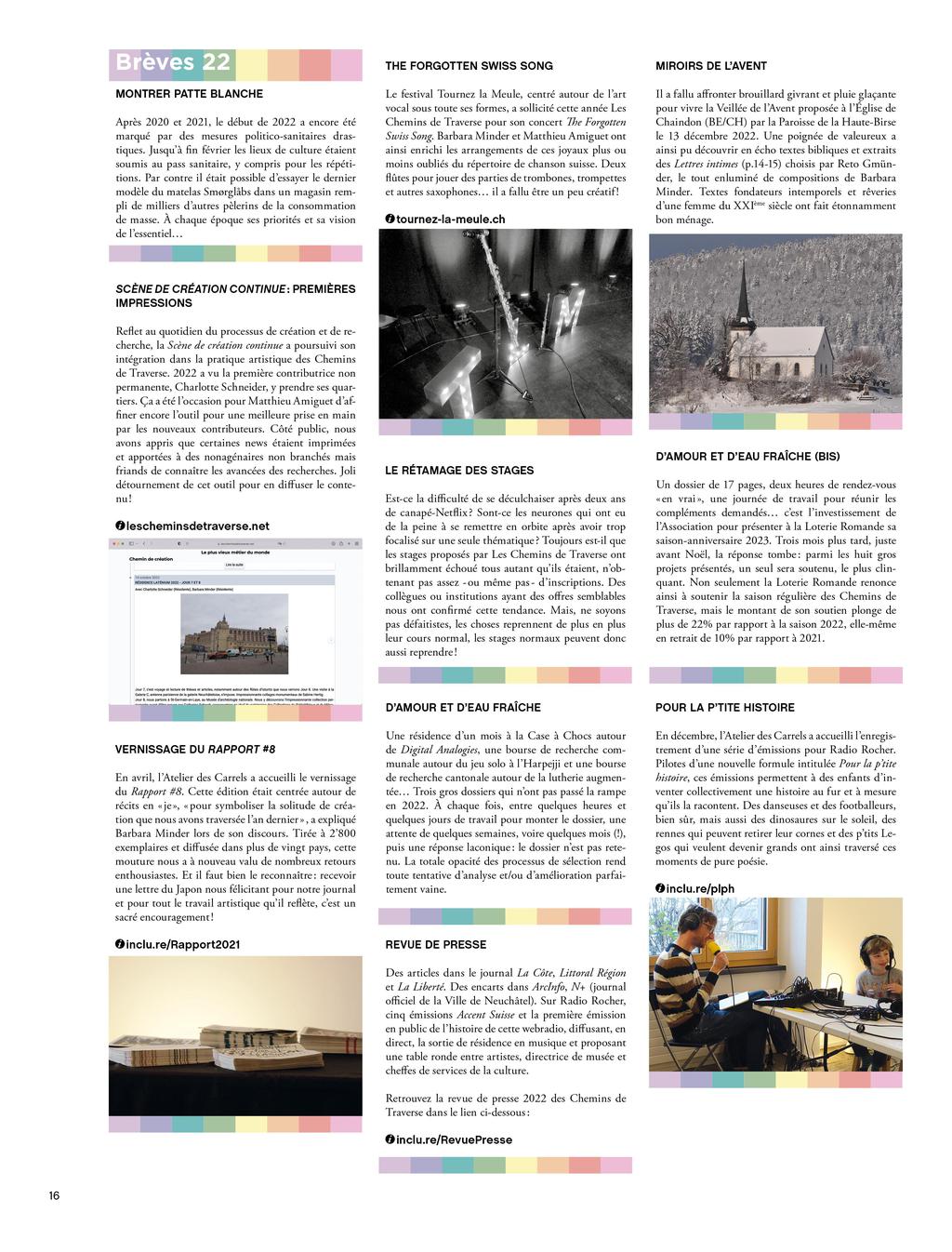
Si c'est une flûte - Le Rapport #9